Tulshi Embroidery Design Review for Seasonal Collections
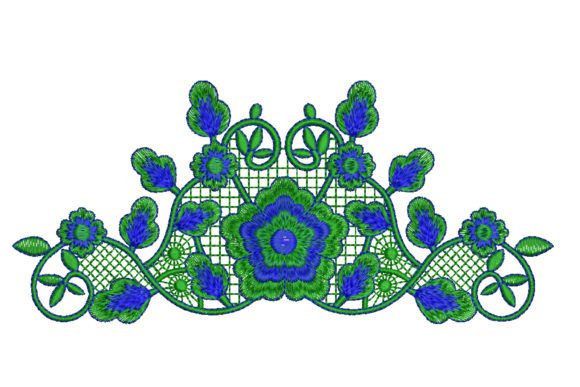
As an embroidery designer who spends countless hours digitizing and testing files for holiday collections, I am always on the lookout for designs that strike the perfect balance between artistic flair and commercial viability. When I first encountered Tulshi on Creative Fabrica, it immediately caught my eye as a potential centerpiece for upcoming seasonal product lines. This floral machine embroidery design promises to add a cozy and artistic feel to any fabric, making it an ideal candidate for everything from decorative pillows to personalized apparel. In this review, I will break down how Tulshi can elevate your handmade gift offerings and what you need to consider before adding it to your seasonal inventory.
First Impressions: The Mood and Aesthetic of Tulshi
The moment you view the digital preview of Tulshi, there is a distinct emotional resonance. It feels nostalgic yet modern, with a softness that suggests warmth and comfort. For holiday shoppers, who are often looking for items that evoke feelings of home and togetherness, this aesthetic is invaluable. The design carries a spiritual and romantic undertone, likely inspired by traditional floral motifs but rendered in a way that feels fresh and accessible.
From a designer’s perspective, the detail level is impressive without being overwhelming. It strikes a balance that allows it to work well on various mediums. Whether you are creating limited-time apparel for craft fairs or elegant home decor pieces for Etsy listings, Tulshi offers the visual recognition needed to stand out in a crowded marketplace. It does not scream "loud holiday" but rather whispers "cozy elegance," which is currently a trending vibe in the handmade community. This subtlety makes it versatile enough for family matching items, where you want unity without uniformity, or for high-end gift bundles where premium presentation is key.
Real-World Applications for Holiday Sellers
One of the most critical aspects of selecting a digital embroidery file is imagining its final form. With Tulshi, the possibilities for seasonal embroidery projects are extensive. Here is how I see this design performing in real selling situations:
- Sweatshirt Embroidery: The cozy nature of Tulshi pairs perfectly with heavyweight cotton or fleece sweatshirts. Imagine these placed in the chest area or centered on the back for a statement piece. They make excellent personalized gift options for grandparents or parents during the winter holidays.
- Kitchen Towel Embroidery: For the homebody demographic, embroidered kitchen towels remain a staple. Tulshi adds an artistic touch that elevates a basic utility item into a cherished keepsake. These sell well as add-on items in Etsy shops or as part of a larger kitchen bundle.
- Pillow Cover Decor: Home decor is a massive segment for holiday sales. Using Tulshi on linen or velvet pillow covers can create a sophisticated look that appeals to buyers decorating their living spaces for guests. The floral motif fits seamlessly into both rustic and modern interior styles.
- Tote Bag Design: A sturdy canvas tote bag featuring Tulshi is practical yet stylish. It serves as a great promotional tool if used by local businesses, or as a cute accessory for young adults and students looking for unique holiday gifts.
- Embroidered Patches: If you offer iron-on or sew-on patches, Tulshi works beautifully here. They can be attached to denim jackets, beanies, or backpacks, offering a customizable element that customers love.
- Baby Items: The gentle and artistic feel of the design makes it suitable for baby blankets or onesies. Parents often seek out soft, meaningful imagery for newborn gifts, and Tulshi delivers that emotional connection.
Strategic Considerations for Commercial Use
While Tulshi shows great promise, a professional approach requires us to look at the technical constraints and market positioning. Not every design works on every surface, and understanding these nuances protects your reputation as an Etsy seller or small business owner.
When planning your production run, you must consider where the design should be used carefully. For instance, if you attempt to place Tulshi on very small hoop sizes, the intricate details might get lost or become distorted. Similarly, if the design includes tiny lettering or layered details, ensure your machine settings are precise. Thick towels can cause stitch distortion, so a lighter weight fabric or proper stabilizer usage is crucial. Dark fabrics may require specific thread colors or underlay stitches to make the design pop, while stretchy garments demand careful hooping to prevent puckering.
Furthermore, avoid using metallic threads unless you have tested them extensively, as they can break frequently and slow down production. Dense stitch areas should be reviewed closely to ensure the fabric texture supports the weight of the thread. By acknowledging these limitations upfront, you demonstrate expertise and build customer trust.
Enhancing Seasonal Appeal and Buyer Emotion
In the holiday market, buyer emotion drives purchases. Tulshi’s artistic and cozy vibe directly taps into the desire for comfort and beauty during the busy festive season. When customers see a finished product like a pillow cover or a sweatshirt with this design, they imagine the tactile experience—the softness of the fabric, the quality of the stitching, and the warmth of the gift. This visualization increases the perceived value of your commercial embroidery products.
Consistency in brand identity is also vital. If your shop focuses on artisanal, heartfelt goods, Tulshi aligns well with that narrative. It helps maintain a cohesive look across your product line, whether you are selling handmade gifts for Christmas, Thanksgiving, or general seasonal celebrations. High-quality mockups that showcase the design on realistic backgrounds can significantly boost engagement and conversion rates on social media platforms.
Practical Designer Notes for Production
To ensure success with Tulshi, follow these practical steps before launching your collection:
- Test Thread Colors: Experiment with various thread colors on both light and dark fabrics. The right color palette can transform the mood of the design from playful to elegant.
- Check Stitch Density: Review the digitization to ensure the stitch density is appropriate for your intended fabric. Adjustments may be needed for delicate materials.
- Confirm Hoop Size: Verify the maximum hoop size required to avoid cutting off parts of the design during stitching.
- Use Proper Stabilizer: Always use the correct type of stabilizer (cut-away, tear-away, or water-soluble) based on the fabric type to prevent shifting and ensure durability.
- Create Realistic Mockups: Before listing products, create printable mockups that show the design in context. This helps customers visualize the final result.
- Review Small Details: After stitching a sample, inspect the design closely for any loose threads or missed stitches.
- Plan Matching Palettes: Develop a coordinated color scheme for your product line to encourage multiple purchases.
- Check Licensing: Most importantly, review the Creative Fabrica product details and licensing agreement before selling finished seasonal products. Ensure you have the commercial rights necessary for your business model.
By thoughtfully integrating Tulshi into your workflow, you can create a compelling array of seasonal products that resonate with today’s consumers. Its blend of artistic expression and cozy charm makes it a valuable asset for any embroidery file library focused on holiday sales. Take the time to test, plan, and present your creations with care, and you will likely find that this design becomes a favorite among your customers.