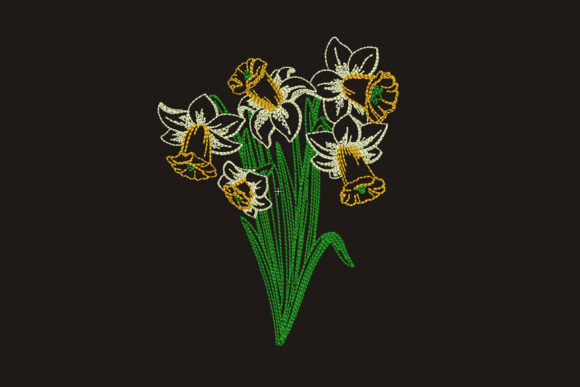
Daffodil Embroidery Design Review for Spring Collections
As an experienced embroidery designer, I spend a significant portion of my time evaluating digital files before they ever reach my own seasonal collections or client projects. The market for handmade and personalized goods is incredibly competitive, especially during holiday shopping periods and seasonal transitions. When I first encountered the Daffodil machine embroidery design from the Outline Flowers category, my immediate reaction was one of cautious optimism. It promises to bring a refreshing accent to spring-related items, but does it deliver the quality and versatility needed for serious sellers? After a thorough review process, here is my professional assessment on how this design fits into your product strategy.
First Impressions: Mood and Aesthetic Appeal
The primary selling point of any embroidery file is its emotional resonance with the buyer. Daffodils are universally recognized symbols of spring, renewal, and joy. This design captures that essence effectively. From a decorative style perspective, it leans towards a clean, modern aesthetic with enough detail to feel premium without being overwhelming. For Etsy sellers and small business owners looking to create limited-time product drops, this visual tone is crucial. It feels festive yet elegant, making it suitable for a wide range of audiences.
When viewing the digital preview, the outline structure suggests a lightweight, airy finish. This is particularly appealing for home decor items like pillow covers or kitchen towels where heavy stitch density can ruin the fabric’s drape. The design evokes feelings of nostalgia and warmth, which are powerful drivers for gift purchases. Whether you are targeting customers looking for Easter gifts, Mother’s Day presents, or general spring home refreshes, the Daffodil design hits the right emotional notes. It is cute without being childish, and romantic without being overly sentimental, striking a balance that appeals to a broad demographic.
Real-World Application for Holiday and Seasonal Products
For the practical entrepreneur, the true test of an embroidery design is its performance across various merchandise types. I have analyzed how Daffodil could integrate into several high-demand categories:
- Sweatshirt Embroidery: This design works exceptionally well on crewneck sweatshirts. The outline nature allows for creative thread color choices, enabling you to offer multiple variations (e.g., yellow petals with green stems, or pastel accents). It adds a cozy, cheerful vibe perfect for early spring weather.
- Tote Bag Design: Canvas tote bags are a staple for craft fairs and online shops. Placing Daffodil on the front pocket or center panel creates an instant accessory upgrade. It pairs beautifully with reusable grocery themes or gardening enthusiasts.
- Kitchen Towel Embroidery: Personalized gifts for housewarmings or weddings often include kitchen linens. This design provides a fresh accent that complements farmhouse or modern kitchen aesthetics.
- Pillow Cover and Home Decor: For larger hoop applications, the design scales well. It adds a touch of elegance to throw pillows, serving as a subtle nod to the season without dominating the room’s decor.
- Embroidered Patch and Apparel: The clean lines make it ideal for iron-on patches or appliqué bases. You can use this to create matching family sets or baby items, such as onesies or burp cloths, which are highly giftable.
In terms of marketing, this design offers excellent versatility for social media previews and printable mockups. Because the motif is simple yet recognizable, it photographs well against various backgrounds, helping you create engaging content for Instagram or Pinterest. It supports the creation of gift bundles, such as pairing a embroidered apron with a matching kitchen towel, increasing the average order value for your shop.
Critical Considerations and Careful Usage
While Daffodil is a strong contender, no design is universal. As a designer, I must highlight specific scenarios where this file requires careful handling or might not be the best choice. Understanding these limitations protects your reputation and reduces customer returns.
First, consider the hoop size constraints. If you plan to place this design on smaller items like hats or tiny accessories, ensure the digitized dimensions fit within your machine’s minimum requirements. Tiny lettering combined with this floral element can become cluttered and lose definition. Similarly, on stretchy garments like fitted t-shirts, the stability of the stitches is paramount. Without proper testing, the outlines may pucker or distort.
Fabric texture also plays a major role. Thick towels or heavily textured fabrics can obscure the fine details of an outline design. In such cases, the delicate lines of Daffodil might get lost, resulting in a muddy appearance. Additionally, if you intend to use metallic threads to elevate the look, be aware that metallics require slower speeds and specific tension settings. They can break more easily, leading to frustration during production runs.
Another critical factor is dark fabric. Outline designs often rely on negative space or background fill to stand out. On dark backgrounds, you will need to add a substantial underlay or background fill, which changes the character of the design. Test this thoroughly before listing it as a standard option for sweatshirt embroidery or other apparel.
Technical Notes for Professional Results
To ensure your finished product meets professional standards, follow these practical steps when working with this embroidery file:
- Test Thread Colors: Always stitch out a sample on both light and dark fabric versions of your intended material. The perception of "yellow" varies significantly depending on the base fabric color.
- Check Stitch Density: Review the digitization for stitch density. While outline flowers are generally lighter, insufficient density can lead to fabric show-through, while excessive density can cause puckering.
- Use Proper Stabilizer: The choice of stabilizer is non-negotiable. For woven fabrics like cotton or linen, tear-away stabilizer is usually sufficient. For knits or stretchy materials, cut-away stabilizer is required to maintain integrity through washing.
- Create Realistic Mockups: Before launching your collection, produce realistic mockups. Seeing the design on a actual sweatshirt or tote bag helps you identify scale issues that aren't visible in digital previews.
- Review Small Details: Zoom in on the digital file. Ensure that the curves of the daffodil petals are smooth and that there are no jagged edges that could result in loose threads after trimming.
- Plan Matching Palettes: Think about complementary thread colors. Can you offer a "Spring Garden" set? Planning matching color palettes enhances brand consistency and encourages cross-selling.
Finally, always confirm your commercial licensing rights. Just because you purchased a digital embroidery file does not automatically grant you the right to sell the physical products created from it. Verify the license terms with the original creator to avoid legal issues.
Conclusion: Is Daffodil Worth Adding?
Overall, Daffodil is a versatile and emotionally resonant addition to any seasonal inventory. Its clean outline style makes it adaptable to numerous product types, from kitchen towel embroidery to tote bag design projects. By paying attention to technical details like stabilizer choice and fabric compatibility, you can leverage this design to create high-quality, desirable products. For Etsy sellers and small shop product creators looking to capitalize on the spring rush, this design offers a solid foundation for building a cohesive and attractive collection. Remember, the key to success lies not just in the design itself, but in how professionally you execute the stitching and present the final product to your customers.