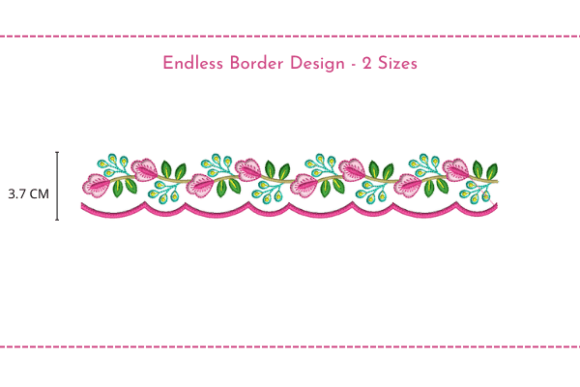
Cutwork Flower Border Review
As an embroidery designer who spends countless hours planning seasonal collections, I know that the difference between a slow-moving inventory item and a bestseller often comes down to one thing: emotional resonance. When I first pulled up the Cutwork Flower Border design in my digitizing software, I didn’t just see stitches; I saw potential. This isn’t merely a decorative element; it is a versatile tool for creating high-value products during the most critical selling periods of the year.
I am reviewing this design with a specific goal in mind: building a cohesive, profitable collection for holiday shoppers, craft fairs, and Etsy customers. The description highlights its fantastic utility for women’s fashion and home decor, but as someone who has stitched hundreds of borders, I need to look deeper. Does it have the visual weight to stand out? Is it technically sound for mass production? Here is my professional assessment of how Cutwork Flower Border fits into a seasonal strategy.
The First Impression: Mood and Aesthetic
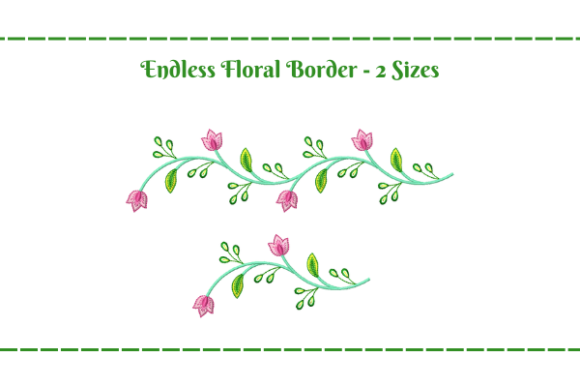
The immediate mood of the Cutwork Flower Border is elegant yet approachable. Unlike heavy, ornate baroque patterns that can feel dated or overwhelming, this design strikes a balance between modern simplicity and traditional charm. The "cutwork" effect creates negative space, which gives the eye room to breathe while still providing enough detail to feel luxurious. For holiday product creators, this versatility is key.
During the winter holidays, shoppers are drawn to items that feel both cozy and celebratory. This border can evoke a nostalgic, rustic feeling when paired with earthy tones, or a crisp, premium look when stitched in white on navy or burgundy. It works beautifully for romantic themes in February, fresh spring vibes in April, and even as a sophisticated accent for Thanksgiving table settings. The emotional tone is warm and inviting, making it perfect for handmade gift categories where buyers want something that feels personal and thoughtful.
Real-World Applications for Seasonal Sellers
To maximize the ROI of your digital embroidery file, you need to apply it across multiple product lines. Here is how I plan to integrate Cutwork Flower Border into my upcoming seasonal drops:
- Home Decor & Table Linens: The description mentions tablecloths and cushion covers, but I see huge potential here. Stitching this border along the hem of kitchen towels creates an instant upgrade from basic store-bought items. It adds a touch of elegance to pillow covers without dominating the fabric texture. For bed sheets, a subtle border at the footboard end can create a boutique hotel feel.
- Apparel Accents: While full-body embroidery is risky for beginners, using this border on the cuffs or hemline of sweatshirts is a smart move. It catches the light and draws attention without adding excessive weight or stiffness to the garment. It also works exceptionally well as a vertical stripe down the side of tote bags, turning a simple canvas bag into a tote bag design worthy of a gift receipt.
- Gift Bundles: Imagine a "Cozy Kitchen" bundle featuring a tea towel, an apron, and a set of coasters, all unified by the same Cutwork Flower Border. Consistency builds brand trust. When customers see matching elements across different products, they perceive higher value and are more likely to purchase the entire set.
- Personalized Gifts: This border frames names and dates beautifully. Placing a customer’s name inside the floral motif on a baby blanket or a monogrammed handkerchief elevates the perceived worth of the item. It transforms a commodity into a keepsake.
Social Media and Marketing Potential
In the age of social commerce, visual recognition is everything. The clean lines and open spaces of the cutwork style photograph exceptionally well. When creating a printable mockup for Instagram or Pinterest, the contrast between the thread and the fabric will pop, stopping the scroll. You can use this design to create limited-time product drops, such as "Holiday Home Essentials," knowing that the imagery will be strong enough to drive engagement without needing heavy editing.
Technical Considerations and Cautionary Notes
Even the most beautiful design can fail if technical details are ignored. As an experienced designer, I urge you to pay close attention to the following before committing to large production runs.
- Hoop Size and Placement: Verify the recommended hoop size provided in the file instructions. Borders require consistent tension across their length. If the design is too wide for your machine’s standard hoops, you may encounter registration issues or puckering. Always test on scrap fabric first.
- Stitch Density and Fabric Texture: The density of the fill stitches matters. On thick fabrics like heavy cotton towels or denim, ensure the needle penetrates easily. On delicate fabrics, high density can cause distortion. Check the stitch density in your software preview to ensure it matches the weight of your chosen material.
- Thread Colors and Lighting: Test your thread colors on both light and dark fabrics. Metallic threads can add sparkle for holidays, but they require specific needles and slower speeds to prevent breakage. If you plan to use metallics, run a test stitch-out to adjust your tension accordingly.
- Stabilizer Selection: Proper support is non-negotiable. Use a tear-away stabilizer for woven garments like shirts, but switch to a cut-away stabilizer for stretchy knits or items that will undergo repeated washing, such as baby items or dishcloths. Failure to use the correct stabilizer will result in misalignment and poor durability.
- Small Details: Zoom in on the digitizing. Are there tiny isolated stitches that might not hold up? Ensure that fine details remain visible after stitching. If the design relies on very thin lines, consider increasing the scale slightly for better visibility on finished products.
Commercial Licensing and Final Thoughts
Before listing any items made with this embroidery file on platforms like Etsy or Amazon Handmade, you must confirm your commercial licensing rights. The product description notes that the design comes with multiple file formats, which is convenient, but it does not explicitly state the usage terms. Contact the designer or check the license agreement to ensure you are permitted to sell physical goods created with this pattern. Protecting your business is part of being a professional seller.
The Cutwork Flower Border is more than just a decorative line; it is a strategic asset for any Etsy seller or small business owner looking to capitalize on the holiday rush. Its ability to bridge the gap between casual home decor and refined fashion makes it a standout choice for seasonal embroidery projects. By testing thoroughly, choosing the right materials, and marketing it as part of a curated gift collection, you can turn this digital asset into tangible sales.
Plan your color palettes early. Coordinate your thread choices with trending holiday colors—think deep reds, forest greens, golds, and crisp whites. Create realistic mockups that show the border in context, whether on a draped tablecloth or worn by a model. When you present the product as a solution for gifting, decorating, or personalizing, you appeal to the buyer’s desire for connection and celebration.
Ultimately, the success of your seasonal collection depends on the quality of your execution. Take the time to review every stitch, press every finished product, and package it with care. The Cutwork Flower Border offers the aesthetic foundation; your craftsmanship provides the value. With careful planning and attention to detail, this design can become a staple in your repertoire, driving traffic and sales throughout the busy holiday season.