Blackwork Embroidery Design Review
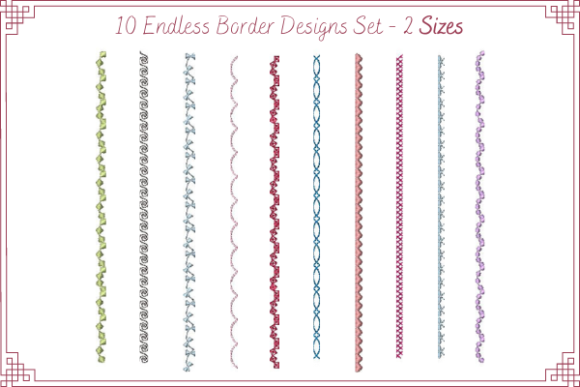
When I sit down to evaluate a new digital embroidery file for my own studio or for client recommendations, I am rarely looking for just "pretty." I am looking for viability. Does the design hold up under the tension of the hoop? Will it translate well from screen to fabric? And most importantly, does it add tangible value to the finished product? Today, I am putting Blackwork through that same rigorous filter. This is not just another decorative motif; it is a versatile asset that sits squarely in the Borders category of Embroidery designs, but its potential applications stretch far beyond simple trim.
First Impressions and Visual Personality
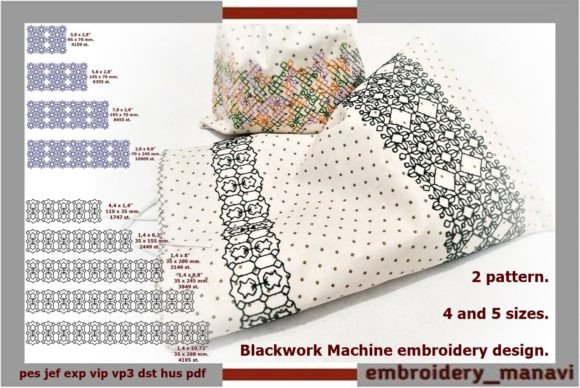
The moment you load the Blackwork file into your digitizing software, the mood is immediately established. It carries a distinct heritage aesthetic—clean, geometric, and structured. Unlike organic floral motifs that rely on soft curves and delicate shading, this design leans into precision. The visual personality is one of understated elegance. It feels timeless, which is a crucial trait for any machine embroidery design intended for long-term commercial use.
From a designer’s perspective, the layout is efficient. It avoids unnecessary clutter, allowing the negative space to do as much work as the stitches themselves. This balance is vital because it ensures the design remains legible even when scaled down or stitched onto smaller items. It creates a sense of order and craftsmanship that customers associate with high-quality handmade goods. Whether you are creating a personalized gift for a housewarming or producing bulk inventory for an Etsy seller shop, this design projects professionalism without shouting for attention.
Real-World Application: The Tote Bag Scenario
To truly test the utility of Blackwork, let us look at a specific, real-life scenario. Imagine you are preparing a custom embroidered tote bag design for a local farmers market or a boutique grocery store. The client wants something that reflects the natural, wholesome nature of their products—bulk food, bread grains, fruits, and vegetables—but they want it to feel modern, not rustic in a cliché way.
This is where Blackwork shines. When applied as a border along the bottom hem or around the handles of a canvas tote, the geometric pattern mimics the texture of woven fabrics and agricultural rows. It visually connects the garment to its purpose. For a small business owner, this means you can offer a custom apparel accessory that looks expensive and thoughtfully designed. The design acts as a frame for the product inside, enhancing the perceived value of the entire package. Customers are more likely to trust a brand that pays attention to these subtle details. The clean lines of the stitch density ensure that the bag does not look heavy or stiff, maintaining the drape and usability that shoppers expect.
Performance Across Different Projects
While the tote bag is a strong candidate, the versatility of this embroidery file extends to numerous other categories. Here is how Blackwork performs in various practical situations:
- Kitchen and Home Textiles: As suggested by its origin, this design is exceptional for decorating tea towels, kitchen aprons, and pillow covers. The repetitive nature of the border works beautifully on rectangular surfaces. On a sweatshirt embroidery project, it could serve as a sophisticated cuff detail or a waistband accent, adding a touch of structure to otherwise loose garments.
- Nursery and Baby Items: In the realm of baby embroidery, bold patterns can sometimes be overwhelming. However, the monochromatic and structured nature of Blackwork provides a calming, gender-neutral aesthetic. It is perfect for lining the edges of baby blankets or creating a subtle border on muslin swaddle cloths. It conveys safety and care through its orderly appearance.
- Holiday and Gift Markets: During peak seasons, speed and appeal are key. This design allows for quick turnaround times because it is relatively straightforward to stitch compared to complex pictorial scenes. It makes an ideal holiday embroidery addition to gift tags, placemats, or festive pillows. Its classic look ensures it remains relevant year after year, reducing the risk of unsold inventory due to trend fatigue.
- Commercial Branding: For commercial embroidery clients seeking a logo or brand mark integration, the clean lines of Blackwork provide a sturdy foundation. It can be used to create custom patches or to border branded merchandise, ensuring that the finished product looks cohesive and polished.
Where Caution Is Required
No design is flawless, and as a reviewer, I must highlight where Blackwork might present challenges. Precision is its strength, but also its vulnerability. If you attempt to stitch this on highly textured fabrics, such as heavy bouclé wool or thick terry cloth, the fine details may get lost. The definition relies on the contrast between the thread and the base fabric.
Similarly, avoid using this design on stretchy knits unless you are using a very stable stabilizer and possibly a cut-away backing. Stretch can distort the geometric integrity of the border, causing the straight lines to warp. Dark fabrics can also pose a challenge if you are using light-colored threads, as the contrast might not be sharp enough to convey the intricate details. Always inspect small details and test it in black and white mockups before committing to a full production run. Furthermore, be mindful of hoop size limitations; while the design is scalable, stitching it at the extreme edge of a small hoop may lead to tension issues.
Practical Designer Notes for Execution
To ensure the best results when working with this digital embroidery file, consider the following technical advice:
- Stabilizer Selection: Use a quality cut-away stabilizer for woven fabrics to prevent puckering, especially if the design has areas of dense fill stitch. For lighter fabrics, a tear-away may suffice, but always test first.
- Thread Color Contrast: Experiment with different thread colors. While traditional black-on-white or white-on-black offers maximum clarity, metallic threads can add a luxurious twist for evening wear or special occasion gifts. Ensure the thread sheen complements the matte finish of the fabric.
- Mockup Testing: Before embroidering the final piece, create a printable mockup or stitch out a test square. Check whether the design works for both personal and commercial projects by verifying the licensing terms included with the file. This step saves time and material costs.
- Edge Finishing: Since this is a border design, pay attention to how the ends are handled. If the design is meant to wrap around an item, ensure the start and stop points align seamlessly. You may need to adjust the placement slightly to hide jump stitches.
Final Verdict
Blackwork is a reliable, elegant, and commercially viable addition to any embroiderer’s library. It bridges the gap between traditional craft aesthetics and modern minimalism. For craft business owners and small shop product creators, it offers a low-risk, high-reward option for expanding your catalog. It enhances the visual appeal of everyday items, turning simple textiles into curated experiences. By understanding its strengths and respecting its limitations regarding fabric choice and stability, you can leverage this design to build customer trust and elevate your brand’s presentation. It is a smart choice for anyone looking to add a touch of refined structure to their embroidery project portfolio.