Pawpaw Embroidery Design Review
As an embroidery designer who spends countless hours testing stitches, fabrics, and thread tensions, I approach every new digital download with a mix of curiosity and skepticism. We have all seen designs that look beautiful in a preview but fall apart when the needle hits the fabric. That is why I take the time to evaluate each embroidery file for its real-world application, especially when it comes to creating meaningful personalized gift items for clients or customers.
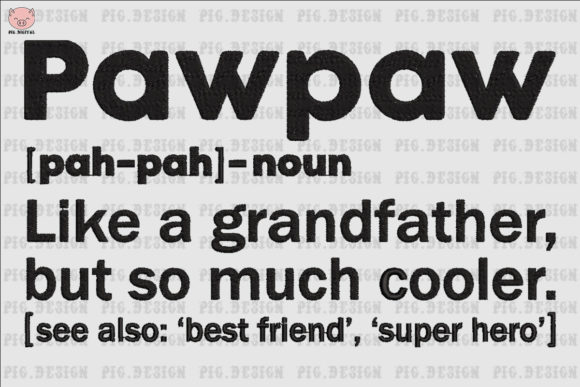
Recently, I came across the Pawpaw design on Creative Fabrica. At first glance, the title suggests something organic, sweet, and perhaps a bit rustic. My initial assessment was whether this machine embroidery design would hold up as a versatile element for various projects, from delicate baby items to sturdy home decor pieces. After reviewing the visual details and considering how it translates to stitched fabric, I found myself genuinely impressed by its potential.
First Impressions: Visual Appeal and Emotional Connection
The Pawpaw design strikes a balance between playful charm and elegant simplicity. In the world of handmade products, emotional resonance is just as important as technical precision. When you are creating a handmade product, you want the recipient to feel a connection to the item before they even touch it. This design delivers that warmth immediately.
Visually, the shapes appear soft and inviting. It does not rely on overly complex, dense patterns that can overwhelm a garment. Instead, it uses clean lines and gentle curves that suggest a hand-drawn aesthetic. This makes it incredibly versatile. Whether you are aiming for a cozy nursery vibe, a romantic wedding keepsake, or a fun seasonal decoration, Pawpaw fits naturally into these narratives. It feels sweet without being cloying and modern without being cold.
For creators looking to build a brand around custom embroidery, having a design that conveys such clear emotion is invaluable. It allows the finished piece to speak for itself, reducing the need for excessive embellishment or complicated color schemes.
Project Versatility: From Baby Blankets to Wedding Gifts
One of the strongest selling points of the Pawpaw design is its adaptability. As a designer, I always ask, "Where can I use this?" The answer here is surprisingly broad. Here is how I see this digital embroidery file fitting into different project categories:
- Baby Embroidery Projects: The soft aesthetic of Pawpaw makes it ideal for nursery decor. Imagine it stitched onto a muslin swaddle, a crib bumper, or a soft cotton blanket. The gentle curves mimic the organic shapes parents often seek for their little ones' rooms.
- Wedding Gifts and Keepsakes: For couples looking for unique favors or personal touches, this design adds a touch of whimsy. It works beautifully on embroidered towels for the honeymoon suite or as a monogram accent on pillow covers.
- Home Decor and Textiles: If you are an Etsy seller focusing on lifestyle goods, Pawpaw can elevate simple linen tote bags, kitchen aprons, or decorative pillow shams. It brings a focal point to neutral fabrics without dominating the space.
- Holiday and Seasonal Items: While the description mentions Father’s Day, the design’s organic nature makes it suitable for various occasions. It could serve as a charming addition to a family reunion shirt or a holiday stocking stuffer.
This versatility means you can create a cohesive collection using a single design element, which is highly efficient for small business owners managing inventory and production times.
Practical Considerations for Embroidery Crafters
While the visual appeal is strong, any experienced embroiderer knows that the devil is in the details. When evaluating Pawpaw, there are several practical concerns that must be addressed to ensure a high-quality finished product.
Fabric Texture and Stability
The success of any machine embroidery design depends heavily on the fabric choice. Pawpaw looks best on stable, woven fabrics like cotton, linen, or denim. If you plan to stitch this onto stretchy materials, such as jersey knit for baby clothes, you must use a tear-away or cut-away stabilizer to prevent distortion. Similarly, if you are working with textured towels or thick blankets, the density of the stitching needs to be sufficient to anchor the design without puckering the fabric.
Thread Color Contrast
Because the design features delicate shapes, thread contrast is crucial. On light fabrics, darker threads will define the outlines sharply, while lighter threads may blend in too much, losing the detail. I recommend testing multiple thread colors to see which combination enhances the natural flow of the design. White or cream thread on a dark background can create a striking, vintage look, whereas pastel threads on white fabric offer a softer, more ethereal result.
Small Details and Stitch Density
Always inspect the fine details of the design. If Pawpaw contains tiny elements, ensure your machine can handle them accurately. Small lettering or intricate inner shapes may require a higher resolution digitization to avoid merging together during stitching. It is also wise to check the stitch density; if the design is too sparse, it may look unfinished on certain fabrics, but if it is too dense, it might become stiff and uncomfortable against the skin.
Hoop Size and Placement
Before starting production, confirm the hoop size requirements. A design that is too large for standard hoops may require re-hooping, which can lead to alignment issues. Ensure the design dimensions fit comfortably within your most commonly used hoop sizes to streamline your workflow.
Building Trust and Perceived Quality
In the competitive market of handmade goods, perceived quality drives customer trust. A well-executed embroidery file signals professionalism and care. When customers receive a finished product where the stitching is smooth, the edges are clean, and the design sits perfectly flat, they are more likely to leave positive reviews and return for future purchases.
Furthermore, the presentation matters. Using printable mockups that showcase Pawpaw on high-quality textiles can help you visualize the final outcome and market it effectively. High-resolution images of the texture and detail can attract buyers who appreciate the tactile nature of embroidery. By ensuring that every aspect of the production process—from stabilizer selection to thread choice—is optimized, you reinforce the value of your small shop product.
Final Thoughts and Next Steps
The Pawpaw design offers a wonderful opportunity for embroidery enthusiasts and sellers alike. Its blend of charm, versatility, and visual softness makes it a strong candidate for a wide range of personalized gift ideas. However, as with any commercial embroidery project, due diligence is key.
I strongly recommend creating a test stitch-out before committing to full production. Use the same fabric and stabilizer you plan to use for your final product. Check the alignment, tension, and overall appearance. Additionally, please review the specific product details and licensing terms on Creative Fabrica to ensure you are compliant with usage rights, especially if you intend to sell the finished items.
If you are looking to add a touch of organic elegance to your next project, Pawpaw is definitely worth exploring. It has the potential to become a staple in your design library, helping you create heartfelt, high-quality gifts that resonate with recipients. Happy stitching!