Little Miss Firecracker Design Review
As an embroidery designer who has spent years refining digital files for commercial production, I approach every new design asset with a critical eye. It is not enough for a design to simply look good on a screen; it must translate flawlessly into thread, hold up to wear and washing, and enhance the brand identity of the business using it. Today, I am reviewing Little Miss Firecracker, a design positioned within the Independence Day category. While the holiday context is clear, my focus remains strictly on its viability as a versatile asset for small business merchandise, branded patches, and custom apparel.
First Impressions: Visual Personality and Brand Fit
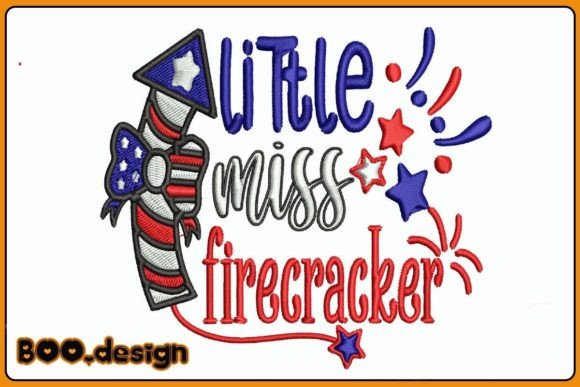
The title "Little Miss Firecracker" immediately suggests a personality that is bold, playful, and energetic. In the world of branding, this translates to a design that is likely friendly yet striking. For small business owners, particularly those in creative studios, bakeries, or boutique retail, this kind of character-driven design can add a significant layer of warmth and memorability to their products.
When evaluating the visual weight of such a design, we must consider how it balances professionalism with fun. A firecracker motif often implies celebration and spark, which can be excellent for grabbing attention on crowded marketplaces like Etsy or at local craft fairs. However, the execution is key. Does it feel premium and polished, or does it risk looking cheap? Based on the description highlighting high-quality embroidery, we can assume the design aims for a clean, defined aesthetic. This makes it suitable for a wide range of applications, from staff uniforms in a lively café to accent details on handmade tote bags.
Real-World Business Applications
The true test of any machine embroidery design is its performance in real-world scenarios. Little Miss Firecracker offers several compelling use cases for entrepreneurs looking to expand their product lines.
- Branded Patches: One of the most durable ways to apply a logo is through an embroidered patch. This design’s likely compact and self-contained nature makes it ideal for creating iron-on or sew-on patches. These can be sold as standalone accessories or applied to denim jackets, backpacks, and hats by the end consumer, extending brand visibility organically.
- Apron Embroidery: For bakery owners, florists, or culinary instructors, an apron is both a uniform and a marketing tool. Placing "Little Miss Firecracker" on the chest pocket or upper back of a canvas apron adds a touch of personality that customers appreciate. It signals a brand that doesn’t take itself too seriously but still values quality.
- Cap Embroidery: Caps are a staple of small business merch. The design’s likely vertical or balanced composition would work well on the front panel of a structured cap. It serves as a subtle yet distinctive mark that employees can wear during events or promotional days.
- Tote Bag Design: Canvas totes are ubiquitous in the handmade industry. A single, well-executed embroidery of this design can elevate a plain tote bag into a premium product. It works especially well when paired with neutral thread colors to let the design pop against natural or black fabric.
- Product Packaging Accents: Beyond apparel, this embroidery file can be used on fabric labels sewn into garments or gift boxes. This level of detail reinforces a commitment to quality and helps build customer trust through tangible, tactile presentation.
Strategic Considerations and Limitations
While the potential is high, no design is without its challenges. As a professional, I advise caution in specific applications where technical limitations might compromise the final result.
Small Patch Sizes: If you intend to digitize this design into a very small patch (under 2 inches), you must scrutinize the stitch density and fine details. Tiny lettering or intricate outlines may merge together, resulting in a muddy appearance. Always produce a physical sample at the intended size before committing to bulk production.
Curved Surfaces: Applying embroidery to curved surfaces like cap fronts or rounded hat brims requires skilled hooping and tension control. A design with sharp angles or heavy contrast may distort if the fabric is not stabilized correctly. Test thoroughly on your actual product blanks.
High Stitch Density: Designs with dense fills can become stiff and uncomfortable, particularly on lightweight fabrics or items that require frequent washing. If "Little Miss Firecracker" features large solid areas, ensure you are using appropriate stabilizers and possibly trimming excess underlay to maintain fabric drape.
Fabric Texture and Color: The success of the design depends heavily on the base material. On textured fabrics like burlap or heavy tweed, fine details may get lost. Similarly, on dark uniforms, ensure the thread colors provide sufficient contrast. Light threads on dark backgrounds may require a backing layer, adding thickness and cost.
Impact on Brand Identity and Customer Trust
In the competitive landscape of handmade products, visual consistency is paramount. Using a cohesive set of design assets helps establish a recognizable brand voice. "Little Miss Firecracker," with its spirited theme, can help position a brand as approachable, energetic, and authentic. When customers see consistent, high-quality embroidery across multiple touchpoints—such as a matching apron, cap, and tote—they perceive greater professionalism and reliability.
This perception directly influences buyer engagement. A unique, well-crafted embroidered item stands out in a sea of printed goods. It suggests that the seller cares about craftsmanship, which justifies a higher price point and fosters loyalty. Furthermore, seasonal designs like this one can drive urgency and excitement, encouraging purchases during peak shopping periods.
Practical Designer Notes for Production
Before integrating "Little Miss Firecracker" into your commercial workflow, follow these essential steps to ensure a flawless finished product:
- Test in Black and White: Convert the design to monochrome to check contrast and spacing. If it reads clearly in grayscale, it will likely embroider well in color.
- Check Hoop Size Compatibility: Verify that the design fits comfortably within standard hoop sizes to minimize re-hooping and alignment errors.
- Review Thread Colors: Select thread shades that complement your brand palette. High-quality polyester threads offer better sheen and durability than cotton.
- Inspect Spacing and Density: Zoom in on the digital file to ensure no stitches overlap awkwardly and that there is adequate negative space between elements.
- Confirm Commercial Licensing: Most importantly, verify the licensing terms of the digital embroidery file. Ensure you have the right to use the design for commercial sale of physical goods.
- Create a Printable Mockup: Use the file to generate a realistic mockup for client approval or marketing materials before cutting fabric.
- Test on Real Fabric: Never skip the physical test run. Embroidery behaves differently on various fabrics, and a test piece reveals issues with puckering, tension, or stability that screens cannot show.
By treating "Little Miss Firecracker" not just as a festive graphic but as a strategic brand asset, you can leverage its playful energy to create memorable, high-value products. Whether you are launching a new line of summer merch or refreshing your existing catalog, this design has the potential to add a spark of distinction to your offerings. Remember, the difference between a good product and a great one often lies in the details—and in embroidery, those details are stitched in thread.