Hare and Butterfly Embroidery Review
As an embroidery designer who spends hours testing stitches, analyzing thread tension, and planning product lines for small businesses, I approach every new digital file with a mix of excitement and skepticism. When I first downloaded the Hare and Butterfly machine embroidery design, I didn’t just see a cute graphic; I saw potential revenue for my Etsy shop and meaningful keepsakes for future customers. This review is based on my practical experience testing this design for personalized gift products, specifically focusing on how it translates from a screen to a finished, sellable item.
First Impressions: Mood and Charm
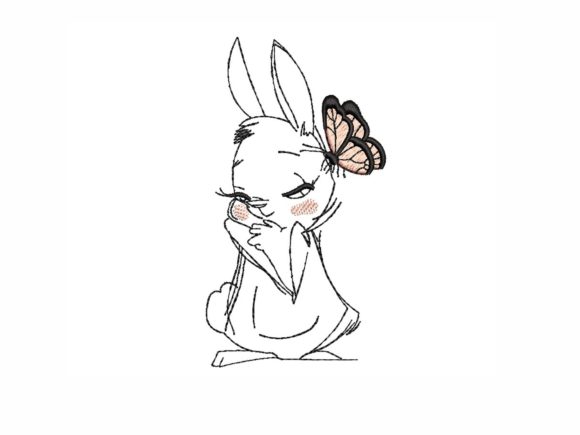
The immediate appeal of Hare and Butterfly lies in its dainty aesthetic. It strikes a perfect balance between playful and elegant. The design features a hare that feels gentle rather than wild, paired with a butterfly that adds a touch of whimsy without overwhelming the composition. For designers targeting the Easter market, this is a goldmine. However, its charm extends far beyond spring. The soft lines and adorable subject matter make it incredibly versatile for baby showers, nursery decor, and general spring collections.
From an artistic standpoint, the design feels handmade even though it is a digital file. It avoids the overly complex, cluttered look that can plague some modern embroidery patterns. Instead, it offers clean negative space, which allows the fabric texture to shine through—a crucial element for high-end perceived value. Whether you are creating a wedding gift or a custom tote bag, this design communicates warmth and care instantly.
Product Applications and Giftability
In my workflow, I always ask: "Where will this live?" Hare and Butterfly performs exceptionally well on items that benefit from a focal point but require subtlety. Here is how I envision it being used in a real-world commercial setting:
- Baby Blankets and Nursery Items: The soft nature of the hare makes it ideal for crib sheets, muslin cloths, and quilted blankets. Parents want gifts that feel safe and sweet, and this design delivers that emotional connection.
- Kitchen Towels and Aprons: For the home cook or baker, this design adds a personal touch to functional items. An embroidered towel featuring this motif makes for a fantastic housewarming gift or a bridal shower present.
- Pillow Covers and Home Decor: Because the design is compact and balanced, it fits perfectly on standard 18x18 inch pillow covers. It works well as a standalone accent or paired with simple text like "Spring" or a family name.
- Tote Bags and Apparel: On canvas totes or lightweight cotton dresses, the design stands out beautifully. It appeals to the eco-conscious crafter who loves unique, one-of-a-kind accessories.
For Etsy sellers and small business owners, versatility is key. By offering this design across multiple product categories, you increase your chances of capturing different buyer intents. A customer searching for "Easter basket stuffers" might buy a printed tag, while someone looking for "personalized baby gift" might purchase the embroidered blanket. Both paths lead back to the same core asset.
Technical Considerations and Fabric Compatibility
While the design is charming, not every fabric is created equal. As a professional, I must advise caution when selecting materials. The delicate details of the butterfly wings and the hare’s features require a stable foundation. Here are critical factors to consider before mass-producing:
- Fabric Texture: Avoid highly textured fabrics like chunky knits or heavy wools for this specific design. The fine stitches may get lost or distort. Smooth cottons, linens, and microfiber work best.
- Stabilizer Choice: Use a cut-away stabilizer for stretchy fabrics like baby clothes or jersey knits to prevent puckering. For woven fabrics like towels or pillowcases, a tear-away or wash-away stabilizer might suffice, depending on the hoop size.
- Thread Color Contrast: Test your thread colors carefully. Light pastel threads on white fabric offer a subtle, sophisticated look, while darker threads on light fabric provide better visibility. Ensure the contrast is sufficient so the intricate details remain clear.
- Stitch Density: Check the stitch density in your software. If the density is too high, the fabric may pucker. If it is too low, the design may look sparse. Adjusting the scale slightly during digitizing can help optimize the finish.
Areas of Caution
There are specific scenarios where Hare and Butterfly might not perform as expected. Designers should be wary of using this file on curved surfaces, such as the front of a cap or the sleeve of a shirt, unless you have advanced hooping skills. The flat, two-dimensional nature of the design relies on a stable plane.
Additionally, avoid using this design on dark fabrics without underlay stitching or a backing layer, as the details may become muddy. For products that need frequent washing, such as baby onesies or kitchen towels, ensure the design is anchored properly to withstand wear and tear. Small lettering, if included, should be checked for legibility after stitching, as tiny fonts can blur if the stitch count is insufficient.
Boosting Perceived Value and Customer Trust
In the world of handmade goods, presentation is everything. Using a high-quality design like Hare and Butterfly directly impacts customer trust. When buyers see a crisp, well-executed embroidery on a product photo, they perceive higher value. They associate the precision of the stitches with quality craftsmanship.
To maximize engagement, create printable mockups that show the design on various products. Show the hare and butterfly on a rustic wooden table next to fresh flowers, or on a soft beige blanket with a baby’s hand nearby. These visual cues help customers imagine the product in their own homes, increasing conversion rates. For wedding gift designers, highlighting the timeless nature of the design can appeal to couples looking for lasting mementos.
Practical Next Steps for Sellers
Before listing any products featuring this design, follow these essential steps:
- Test on Scrap Fabric: Always run a test stitch-out on the exact fabric you plan to use. This reveals issues with tension, color blending, or stability.
- Confirm Commercial Licensing: Verify the terms of the digital embroidery file. Ensure you have the right to sell finished products made from this design. Some licenses restrict sales volume or require attribution.
- Review File Formats: Make sure the package includes formats compatible with your machine (e.g., PES, DST, EXP). Having multiple formats increases your flexibility and customer base.
- Check Hoop Size: Confirm that the design fits within your standard hoop sizes. If the design is large, you may need to split it or use a larger hoop, which affects production time.
By taking these precautions, you protect your reputation as a reliable seller. Customers appreciate consistency and quality. When they receive a personalized gift that looks exactly like the photo, they are more likely to leave positive reviews and return for future purchases.
Final Thoughts
Hare and Butterfly is more than just a seasonal decoration; it is a versatile tool for creative entrepreneurs. Its blend of sweetness and elegance makes it suitable for a wide range of occasions, from Easter celebrations to year-round baby gifts. For embroidery makers and craft fair vendors, this design offers a low-risk, high-reward opportunity to expand your product line.
Remember, the success of your handmade product depends not just on the design itself, but on how well you execute it. Pay attention to thread choices, stabilizers, and finishing touches. When done correctly, Hare and Butterfly becomes a cherished part of someone’s special moment, adding tangible value to your craft and intangible joy to your customer’s life. Test it, refine it, and watch your small business grow with this delightful addition to your collection.