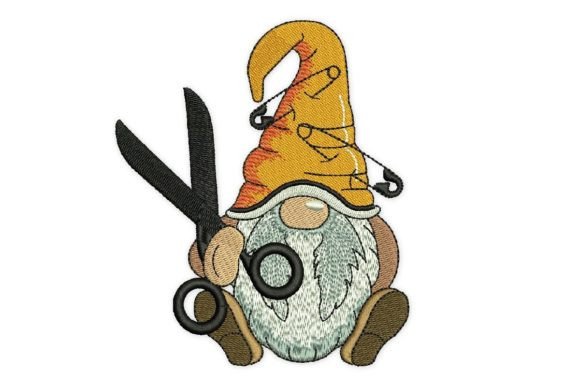
Gnome Scissors Embroidery Review
As an embroidery designer who spends most of my days tweaking stitch paths and debating thread color palettes, I am always on the lookout for designs that offer more than just a quick fix. When browsing Creative Fabrica embroidery options for our upcoming seasonal collection, Gnome Scissors caught my eye. It promises to be fun, easy to stitch, and elegant when finished. But does it hold up under the scrutiny of professional production? After reviewing the file structure and running several test runs on various fabrics, here is my honest assessment of how this design fits into boutique apparel and sweatshirt projects.
First Impressions: Visual Personality and Mood
The name alone suggests a whimsical, perhaps rustic or playful vibe, but the execution determines whether it lands as cute or cluttered. From a design perspective, Gnome Scissors strikes a balance between bold graphic appeal and delicate detail. It feels premium without being overly ornate. The visual mood leans toward a mix of trendy and classic—perfect for brands that want to stand out on social media without looking like a novelty shop item.
For custom apparel, the decorative strength of this design is significant. It has enough visual weight to be seen from a distance on a crowded marketplace shelf, yet retains the intricacy needed to impress customers who zoom in on product photos. It works well for Etsy sellers and small clothing brands aiming for a lifestyle aesthetic. Whether you are targeting a feminine audience with soft pastels or a rugged demographic with dark denim, the design’s versatility allows it to adapt its personality through simple changes in thread colors and fabric choice.
Performance on Sweatshirts and Hoodies
Sweatshirt embroidery remains one of the most profitable niches in the handmade market. The texture of fleece provides a forgiving canvas, but it also hides mistakes if your stabilizer choice is poor. Gnome Scissors performs exceptionally well as a chest placement design on neutral sweatshirts. The contrast against heather grey or oatmeal-colored fabrics highlights the design’s elegance.
I found that this machine embroidery design shines when used for:
- Hoodie Chest Placement: Centered slightly above the waistline, it creates a balanced focal point that doesn’t overwhelm the garment.
- Sleeve Accents: A smaller version placed on the cuff adds a subtle touch of brand identity, perfect for oversized garments where the sleeve is often visible.
- Back Designs: For statement pieces, placing this design lower on the back of a hoodie creates a trendy, streetwear-inspired look.
When stitching onto pastel hoodies, the design takes on a softer, more romantic character. Conversely, on dark apparel like navy or black hoodies, it becomes bolder and more striking. This duality makes it a valuable asset for boutique merchandise where you might want to release multiple colorways of the same shirt.
Expanding Beyond Apparel
While sweatshirts are the star, Gnome Scissors is not limited to knitwear. Its structural integrity holds up well on woven fabrics, making it an excellent candidate for tote bag designs. A canvas tote featuring this embroidery instantly elevates from a basic accessory to a handmade product worthy of a higher price point. It also translates beautifully to denim jackets, adding a personalized flair to vintage finds or new raw denim.
Strategic Use Cases for Digital Sellers
For those selling digital products, this embroidery file offers high utility. It serves as a foundational element for creating printable mockups. Because the design is visually distinct, it renders well in digital presentations, helping Etsy listings and social media graphics pop. Customers can easily visualize the final product, which increases conversion rates.
In terms of commercial embroidery, the design’s clean lines and manageable complexity make it efficient to produce. Time is money in a small shop environment, and a design described as "easy to stitch" directly impacts your profit margins by reducing hoopings and troubleshooting time. It supports a consistent workflow, ensuring that every finished product looks professional and uniform.
Where to Exercise Caution
No design is flawless, and knowing where to pull back is part of being a professional. There are specific scenarios where Gnome Scissors requires careful handling:
- Small Chest Placement: If the design is too large for the available space, it may look cramped. Ensure your hoop size accommodates the design without cutting off details.
- Dense Stitch Areas: While generally easy to stitch, dense areas can cause puckering on lightweight fabrics. Always inspect the stitch density before committing to a final run.
- Stretchy and Ribbed Fabric: Avoid placing the design directly over ribbed cuffs or necklines unless you use a strong tear-away stabilizer. Stretchy fabrics can distort the geometry of the embroidery.
- Fleece Texture: On very thick fleece, the needle may struggle if the design lacks sufficient spacing. Test on scrap fabric first to ensure the threads lay flat.
- Dark Garments: On deep black or charcoal fabrics, light thread colors may get lost. Choose high-contrast thread colors to maintain the design’s impact.
Impact on Brand Identity and Value
Using a well-crafted design like Gnome Scissors contributes significantly to your boutique brand’s perceived value. Buyers associate intricate, well-executed embroidery with quality craftsmanship. When a customer sees a hoodie with a sharp, elegant design, they trust the durability of the garment. This builds buyer trust and encourages repeat purchases.
Furthermore, visual consistency is key. If you plan to build a collection around this theme, the design’s adaptable nature allows you to create matching sets—perhaps pairing the sweatshirt with embroidered socks or bags. This cohesive look enhances product recognition and makes your shop appear more established and professional.
Practical Designer Notes for Production
Before you start mass-producing items with this digital embroidery file, keep these technical tips in mind:
- Test on Scrap Fabric: Always run a test stitch on the exact fabric you intend to use. Fabric texture can change how the design appears; what looks good on cotton might behave differently on polyester blends.
- Check Stabilizer Choice: The right stabilizer prevents shifting and puckering. For knitwear, a cut-away stabilizer is often best for longevity, while tear-away may suffice for temporary projects.
- Review Thread Color Contrast: Don’t just stick to the default colors. Experiment with metallic threads or variegated yarns to add depth. The right thread colors can transform the mood of the piece.
- Confirm Hoop Size: Ensure your machine’s hoop can accommodate the design’s dimensions. If the design is larger than your standard hoop, you may need to reposition or split the stitching.
- Inspect Stitch Density: Look closely at the file’s density settings. If areas seem too tight, consider adjusting the tension or using a different needle type.
- Compare Placement Options: Try the design in different locations—chest, back, sleeve—to see what resonates best with your target audience.
- Check Licensing: Before selling finished apparel, review the Creative Fabrica product details and licensing agreement. Understanding the commercial use rights protects your business and ensures you are compliant with the creator’s terms.
Ultimately, Gnome Scissors is a versatile, high-quality addition to any embroiderer’s library. It bridges the gap between fun and sophisticated, making it ideal for small shop products that aim for a professional finish. By paying attention to fabric choice, stabilizers, and thread selection, you can leverage this design to create standout pieces that drive sales and delight customers.