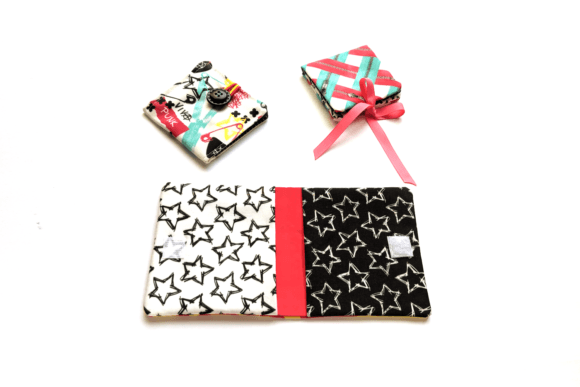
Folding Pocket Case ITH Applique Review
As an embroidery designer who has spent years turning digital files into tangible brand assets, I look at every new design with a critical eye. It is not just about how pretty the stitches look; it is about whether the design holds up under the pressure of commercial production, customer expectations, and daily wear. Today, I am reviewing the Folding Pocket Case ITH Applique. On the surface, this machine embroidery design presents itself as a functional accessory—a wallet-style case created entirely in the hoop. However, for small business owners, Etsy sellers, and apparel decorators, the true value lies in how this design can be repurposed or adapted to serve as a high-quality branded asset.
First Impressions: Professionalism Meets Handmade Charm
The title Folding Pocket Case ITH Applique suggests structure and utility. When I first analyzed the concept, I was drawn to its potential for brand identity. Unlike standard logos that sit flat on a garment, a folding pocket case implies interaction. It invites the customer to open it, use it, and keep it. This psychological engagement is powerful for handmade brands and boutique merchandise.
Visually, the design feels modern yet classic. The "applique" aspect mentioned in the title indicates that this is likely built with solid color blocks rather than intricate, fragile details. From a production standpoint, this is excellent news. High stitch density and tiny outlines often fail when mass-produced, but an applique-based approach offers durability and a clean, premium finish. It strikes a balance between being playful enough for a craft fair and professional enough for corporate gifts or staff uniforms.
Real-World Business Applications
While the primary function of the Folding Pocket Case ITH Applique is to hold small, flat items, its versatility extends far beyond its original intent. Here is how I see this embroidery file performing in real-world commercial scenarios:
- Branded Patches: The most immediate application is using the finished case as a detachable patch. Because it is constructed in the hoop, it has a defined edge. You can sew this onto canvas totes, denim jackets, or leather goods to create a unique focal point. It serves as a conversation starter for customers browsing your small business merch.
- Apron Embroidery and Uniforms: For cafes, bakeries, or florists, this design can be scaled down and placed on the chest pocket of work shirts or aprons. It adds a layer of depth that flat embroidery cannot achieve. The "folding" nature mimics the pockets where staff might keep pens or order pads, making it thematically relevant for service industries.
- Tote Bag Design Accents: A tote bag is a walking billboard. Attaching a folded pocket case to the exterior of a canvas tote allows you to display additional branding or even include a small gift card inside. This transforms a simple bag into a functional product package.
- Cap Embroidery Details: While the full case may be too large for a standard cap front, the structural elements can inspire smaller designs. The concept of a pocket can be translated into a chest logo accent on caps, offering a 3D effect that stands out against the curved fabric.
- Product Packaging and Labels: Imagine sending an order to a client with a small, embroidered tag shaped like this pocket case. It elevates the unboxing experience, signaling that attention to detail is part of your brand ethos.
Strategic Considerations and Limitations
No design is perfect for every situation. As a designer, I must advise caution in specific contexts. The Folding Pocket Case ITH Applique relies on precise stitching to maintain its shape. If you plan to use this for custom apparel that will undergo frequent industrial washing, ensure the stabilizer used is robust enough to prevent distortion.
Be wary of scaling this design down too far. At very small patch sizes, the distinction between the fold lines and the main body may become muddy. Tiny lettering or delicate outlines within the design could lose definition. Furthermore, textured fabrics like heavy wool or looped terry cloth can hide the crisp edges of an applique design. For these materials, a smooth cotton duck or twill is preferable to ensure the finished product looks sharp.
Also, consider the visual weight. On dark uniforms, light thread colors might get lost if the contrast isn't managed carefully. Always test for legibility before committing to a bulk run. If the design includes intricate details, remember that high stitch density can make the fabric stiff, which might be uncomfortable for wearable items like hats or fitted shirts.
Impact on Brand Identity and Customer Trust
In the world of handmade products and independent branding, perceived value is everything. A well-executed embroidery project signals quality. When a customer receives a digital embroidery file result that is structurally sound and visually appealing, it builds trust. They associate that precision with your overall craftsmanship.
The Folding Pocket Case ITH Applique enhances visual consistency by adding a tactile element to your brand. In an era of digital saturation, physical textures stand out. Whether it is a logo on a laptop sleeve or a mark on a coffee cup sleeve, the raised texture of embroidery engages the sense of touch. This multi-sensory experience increases buyer engagement and makes your design assets more memorable. It tells the customer that you care about the details, which translates to confidence in your core products or services.
Practical Designer Notes for Production
Before you download this file and start producing, follow these essential steps to ensure success:
- Test in Black and White: Print a mockup of the design in grayscale. This helps you evaluate the spacing and balance without the distraction of color. If it doesn't read well in black and white, it won't work in color either.
- Check Hoop Size and Stabilizer: Verify the recommended hoop size from the provider. Ensure you have the correct cut-away or tear-away stabilizer ready. The wrong stabilizer choice can lead to puckering or shifting during the complex folding sequences.
- Thread Color Contrast: Select thread colors that offer strong contrast against your target fabric. Since this is an applique design, the top thread should complement the base fabric, while any outline threads should pop.
- Create a Printable Mockup: Use software to place the design on images of your actual products—totes, aprons, or caps. This helps clients visualize the final result and approve the placement before you waste time and materials.
- Confirm Commercial Licensing: This is crucial. Ensure the license for the Folding Pocket Case ITH Applique permits commercial use. Many designers sell files for personal use only. Selling merchandise with an improperly licensed file can lead to legal issues and financial loss.
- Inspect Spacing and Density: Zoom in on the digitizing. Are there areas where the needle penetrates the same spot too many times? Excessive density can cause thread breaks. Look for adequate spacing between distinct elements to ensure the machine can execute the moves cleanly.
Final Verdict
The Folding Pocket Case ITH Applique is more than just a cute accessory pattern; it is a versatile tool for brand building. Its structured, applique-based construction offers durability and a premium feel that aligns well with the goals of serious small business owners. By understanding its strengths—its tactile appeal and structural integrity—and respecting its limitations regarding scale and fabric choice, you can integrate this design into your commercial embroidery offerings effectively.
Whether you are creating branded patches for a creative studio, custom aprons for a local bakery, or unique accents for your own line of tote bags, this design provides a solid foundation. Remember to always test thoroughly, respect licensing agreements, and prioritize the user experience. When executed correctly, this design can elevate your brand presence and leave a lasting impression on your customers.