Daisy Flower Wildflower Filled Design Review
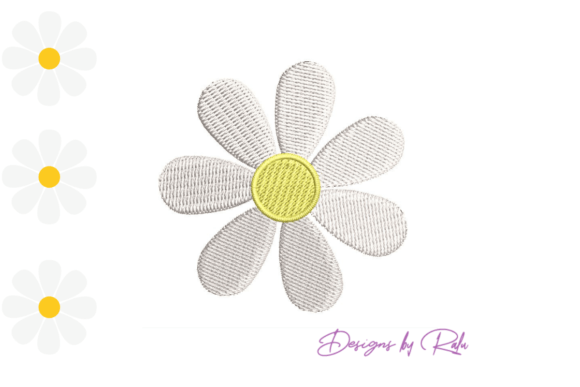
As an experienced embroidery designer, I spend a significant portion of my day evaluating digital assets before they hit the production floor. When a client or a small business owner approaches me with a new design concept, my primary concern is always scalability and brand application. Today, I am reviewing Daisy Flower Wildflower Filled, a design that promises simplicity but requires careful consideration for commercial viability. The description notes that this is a filled daisy flower design suitable for cosmetic bags, masks, pillows, stuffies, softies, and tote bags, highlighting that the project is quick to make. While "quick" is a buzzword we love in the embroidery world, speed must never compromise quality when dealing with branded merchandise.
First Impressions: Visual Personality and Aesthetic
The title Daisy Flower Wildflower Filled immediately suggests a specific aesthetic: approachable, rustic, yet polished. In the realm of machine embroidery design, "filled" usually implies a solid coverage of stitches rather than an outline-only structure. This distinction is critical because it affects how the design interacts with fabric texture and light. From a visual standpoint, this design feels friendly and handmade, making it an excellent candidate for brands that want to project warmth and authenticity.
Unlike rigid geometric logos, a wildflower motif carries organic energy. For a boutique, a florist, or a creative studio, this adds a layer of personality that generic icons cannot achieve. It feels premium not because of complexity, but because of its clean execution. However, designers must be wary of the word "wildflower." If the digitization is too loose, it may look messy on high-end apparel. If it is too structured, it loses its natural charm. The balance lies in the stitch direction and density, which we will discuss further regarding its performance in real-world applications.
Real-World Business Applications
When evaluating Daisy Flower Wildflower Filled for small business merch, versatility is key. This design is not just a decorative element; it is a versatile asset that can serve multiple branding functions. Here is how it performs across various product categories:
- Embroidered Patches: One of the most profitable uses for this design is as a standalone patch. Because it is a single flower, it scales well. Small businesses often use these patches on denim jackets, backpacks, or caps to create a cohesive brand identity without overwhelming the garment. The filled nature ensures the patch has weight and presence, even at smaller sizes.
- Apron Embroidery: For bakeries, cafes, and culinary brands, aprons are walking billboards. Placing Daisy Flower Wildflower Filled on the chest pocket or lower hem adds a touch of elegance. The filled design holds up well against the heavy wear and tear typical in food service environments, provided the correct stabilizer is used.
- Tote Bag Design: Canvas tote bags are staples for crafters and Etsy sellers. This design works beautifully centered on the front panel or repeated along the side seams. The contrast between the sturdy canvas and the delicate flower creates a tactile appeal that customers love. It transforms a simple bag into a handmade product statement piece.
- Cap Embroidery: Caps require precise digitization due to curved surfaces. A single daisy is an ideal subject for cap fronts because it does not compete with brim curvature. It serves as a subtle logo mark that enhances brand identity without looking like a corporate uniform.
- Product Packaging Accents: Beyond apparel, this design can be embroidered onto gift tags, cloth bags for jewelry, or even pillowcases sold as part of a bundle. It elevates the perceived value of the finished product, making customers feel they are receiving something crafted with care.
Strategic Branding and Customer Trust
In the competitive landscape of online marketplaces, visual consistency builds trust. Using a high-quality embroidery file like Daisy Flower Wildflower Filled signals professionalism. Customers associate detailed, clean stitching with attention to detail in the actual product being sold. When a buyer sees a neatly stitched flower on a tote or a mask, they infer that the materials and construction of the item itself are also of high quality. This psychological link is powerful for increasing conversion rates and fostering customer loyalty.
Furthermore, the "wildflower" theme resonates with current trends toward sustainability and nature-inspired living. Brands that align themselves with these values through their design choices often see higher engagement. By incorporating this design asset into your commercial embroidery projects, you are tapping into an emotional connection that goes beyond mere aesthetics.
Critical Considerations for Production
While the potential is high, there are several areas where Daisy Flower Wildflower Filled requires careful handling to avoid production errors. As a designer, I advise testing the following scenarios before committing to bulk orders.
Size and Detail Limitations
The filled nature of the design means it relies on stitch density to maintain its shape. If you attempt to scale this down too far, such as on a tiny embroidered patch under one inch wide, the details may merge into a blob. Always test the design at its intended final size. If the petals become indistinguishable, consider simplifying the digitization or using it only for larger applications like tote bags or aprons.
Similarly, on curved surfaces like the front of a baseball cap, extreme close-ups can distort the circular symmetry of the flower. Ensure the hoop placement accounts for the curvature of the hat to prevent puckering.
Fabric and Stabilizer Compatibility
The choice of fabric drastically affects the outcome. On textured fabrics like burlap or heavy tweed, the fine details of the daisy may get lost. Smooth cottons, linens, and poly-cotton blends offer the best canvas for this design. Additionally, the use of proper stabilizer is non-negotiable. Without adequate backing, the tension of the fill stitches can cause the fabric to pucker, ruining the professional look of the custom apparel.
Thread Color Contrast
Visibility is paramount. On dark uniforms or black tote bags, standard white thread might not provide enough contrast if the lighting is dim. Experiment with metallic threads or brighter pastel shades to ensure the thread colors pop against the background. Conversely, on light fabrics, ensure the thread color is distinct enough to define the petal edges clearly.
Practical Designer Notes for Implementation
To ensure Daisy Flower Wildflower Filled delivers maximum value for your business, follow these practical steps during the pre-production phase:
- Test in Black and White: Before selecting thread colors, view the design in grayscale. This helps identify any weak points in the stitch distribution or spacing that might disappear in color.
- Check Hoop Size Constraints: Confirm the hoop size required by the design. Ensure your machines can accommodate the necessary area without cutting off parts of the flower.
- Create a Printable Mockup: Use a printable mockup to visualize the design on different products. This allows you to present options to clients or plan your inventory layout effectively.
- Inspect Spacing and Density: Zoom in on the digitized file (if available) or the sample run. Look for excessive jump stitches or gaps in the fill that could lead to thread breaks during long runs.
- Verify Commercial Licensing: Before selling items made with this digital embroidery file, double-check the license terms. Ensure you have the right to use the design for commercial embroidery purposes to avoid legal issues.
- Compare Against Other Assets: Place this design beside your existing logo or other design assets to ensure visual harmony. Does the style match? Is the level of detail consistent?
Final Verdict
Daisy Flower Wildflower Filled is a strong contender for small business owners looking to add a touch of elegance and approachability to their merchandise. Its suitability for a wide range of items—from embroidered patches to tote bag designs—makes it a versatile addition to any embroidery library. However, success depends on meticulous attention to fabric choice, stabilizer usage, and size scaling.
For Etsy sellers, crafters, and apparel decorators, this design offers a low-risk, high-reward opportunity to expand your product line. It speaks to the consumer's desire for handmade, authentic goods while maintaining a professional finish. By treating it with the respect it deserves during the digitization and production phases, you can turn this simple daisy into a powerful tool for brand growth and customer engagement.